Information presented on this website is advertising in nature
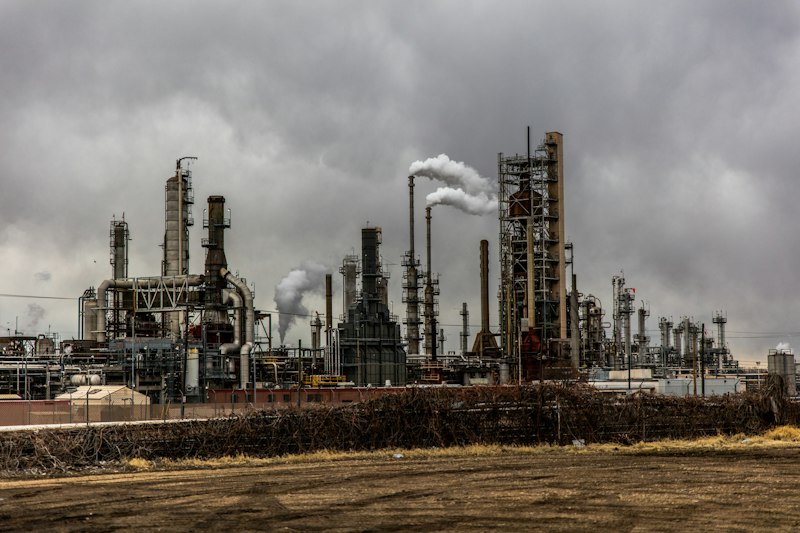
Industrial fuel storage facility at sunset

Navigate the Complex World of Fuel Options for Your Business and Home

Independent analysis and consulting services to help Australian businesses and households make informed decisions about fuel consumption, costs, and environmental impact.

Explore Our Services

The Australian Fuel Landscape Is Changing Rapidly

Over the past decade, Australians have witnessed dramatic shifts in how energy reaches their homes and businesses. From fluctuating petrol prices influenced by global markets to the emergence of electric vehicle infrastructure and hydrogen trials, the choices available today would have seemed far-fetched just twenty years ago.

Yet with more options comes greater complexity. Which fuel source truly delivers the best value when accounting for efficiency, maintenance, and long-term costs? How do environmental regulations affect your bottom line? These questions require careful analysis rather than guesswork.

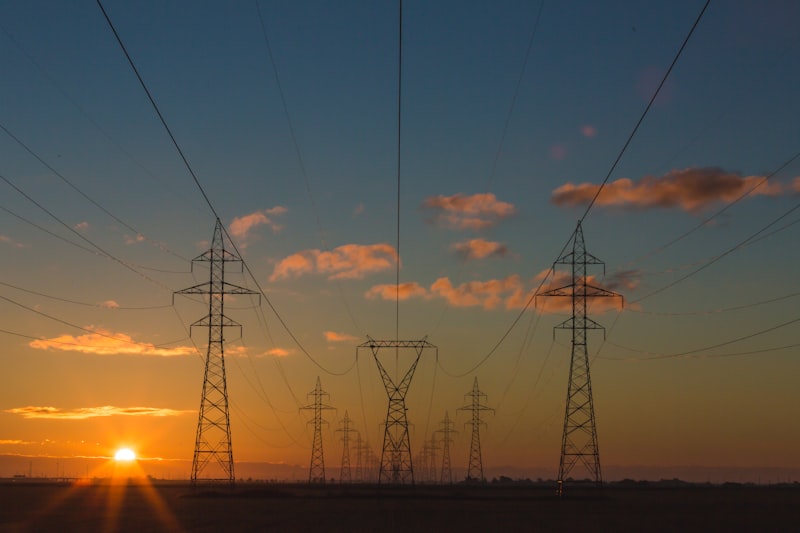
Power transmission lines against blue sky

Understanding True Cost of Ownership

Many businesses focus exclusively on the per-litre or per-kilowatt price when evaluating fuel options. This approach misses critical factors that significantly impact total expenditure. Equipment maintenance cycles differ substantially between fuel types. A fleet vehicle running on diesel may have different service requirements compared to one using compressed natural gas or electricity [1].

Infrastructure requirements also vary considerably. Installing electric charging stations involves different capital outlay compared to maintaining relationships with traditional fuel suppliers. Storage considerations, safety compliance, and staff training all contribute to the complete picture.

Working with mauve-delta transformed how we approach fuel procurement. Their analysis revealed that switching our regional delivery fleet to a hybrid model would reduce our annual fuel costs by 23% while meeting our sustainability commitments.

Robert Chen Operations Director, Brisbane Logistics Co.

Petrol and Diesel: The Established Standards

Traditional petroleum-based fuels continue to power the majority of Australian vehicles and much industrial equipment. Their widespread availability and established infrastructure make them reliable choices for many applications.

However, price volatility linked to international crude oil markets creates budgeting challenges. Diesel fuel often provides better fuel economy for heavy vehicles and equipment, while petrol remains the standard for passenger cars and light commercial vehicles [2].

Understanding regional price variations across Australia can help businesses optimise their fuelling strategies and negotiate better supply contracts.

Service station fuel pumps

Natural Gas: A Bridge Fuel for Heavy Industry

Compressed natural gas and liquefied natural gas have gained traction among fleet operators and industrial users seeking alternatives to diesel. Australia's substantial natural gas reserves provide some insulation from international price shocks.

Studies indicate that natural gas combustion may produce fewer particulate emissions compared to diesel, though carbon dioxide output requires careful consideration within overall emissions strategies [3].

The infrastructure investment required for natural gas refuelling stations means this option typically suits larger operations with predictable routes and fuel demand patterns.

Natural gas pipeline infrastructure

Comparing Fuel Types: Key Metrics

Each fuel source presents distinct characteristics that affect operational efficiency and cost structures

Fuel Type Energy Density Infrastructure Price Stability
Petrol (ULP 91) High Excellent Variable
Diesel Very High Excellent Variable
LPG Medium Good Moderate
Natural Gas (CNG) Medium Limited Good
Electricity Low (Storage) Growing Good
Hydrogen Very High Emerging Uncertain

Electric Power: The Growing Contender

Electric vehicles have moved from novelty to practical reality for many Australian applications. Falling battery costs and expanding charging infrastructure have made electric options viable for urban delivery fleets, company cars, and increasingly for regional operations.

Research suggests that electricity may offer lower per-kilometre operating costs compared to petroleum fuels in many scenarios, though upfront vehicle costs often remain higher [4].

Solar integration opportunities allow businesses to generate their own electricity, potentially reducing both fuel costs and grid dependence while demonstrating environmental commitment to customers and stakeholders.

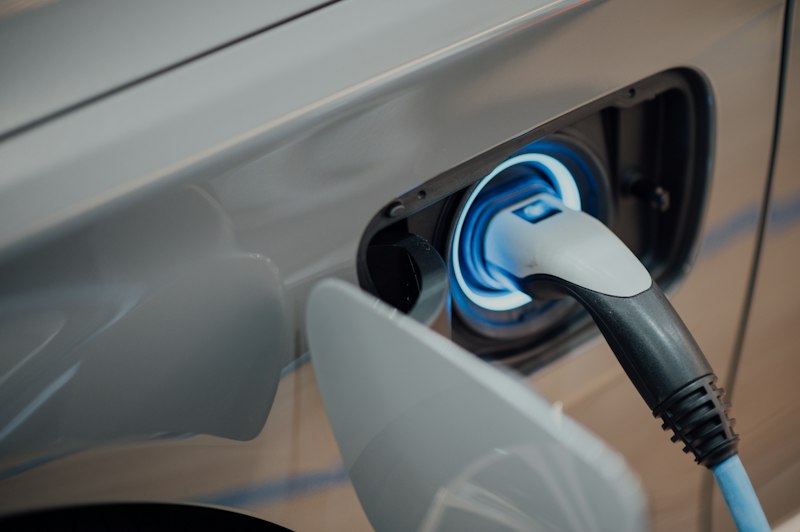
Electric vehicle charging at station

Ready to Optimise Your Fuel Strategy?

Our consultants analyse your specific requirements and provide actionable recommendations tailored to your operations.

Request a Consultation

Renewable Options: Biofuels and Hydrogen

Australia's agricultural sector produces feedstocks suitable for biodiesel and ethanol blends. These renewable fuels can often work in existing engines with minimal modification, providing a transition pathway that doesn't require complete fleet replacement.

Hydrogen fuel cells represent an emerging technology with particular promise for heavy transport and industrial applications. While commercial infrastructure remains limited, government investments and industry pilots continue expanding possibilities [5].

Understanding which renewable options suit your operations requires careful analysis of supply chain reliability, engine compatibility, and total cost implications.
Wind turbines in rural landscape

Our Consulting Services

Expert analysis and guidance to help you make informed fuel decisions

Business analysis and reporting

Fleet Fuel Analysis

Comprehensive review of your current fuel consumption patterns with recommendations for optimisation and potential alternatives.

$1,890 AUD per analysis
Select Service
Cost comparison charts and data

Cost Comparison Report

Detailed breakdown comparing multiple fuel types for your specific application, including infrastructure and maintenance considerations.

$2,450 AUD per report
Select Service
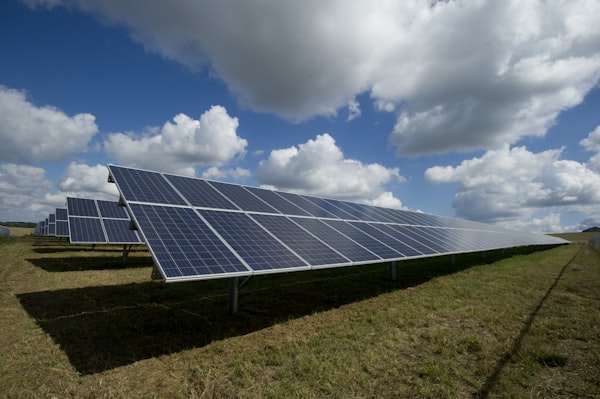
Solar panels on commercial building

Transition Planning

Strategic roadmap for shifting from current fuel sources to alternatives, with timeline, budget, and implementation guidance.

$4,750 AUD starting from
Select Service
Professional consultation meeting

Supplier Negotiation Support

Expert assistance in reviewing and negotiating fuel supply contracts to secure better terms and pricing for your business.

$1,650 AUD per engagement
Select Service
Environmental compliance documentation

Emissions Assessment

Analysis of your fuel-related carbon footprint with recommendations for reduction strategies aligned with regulatory requirements.

$3,290 AUD per assessment
Select Service
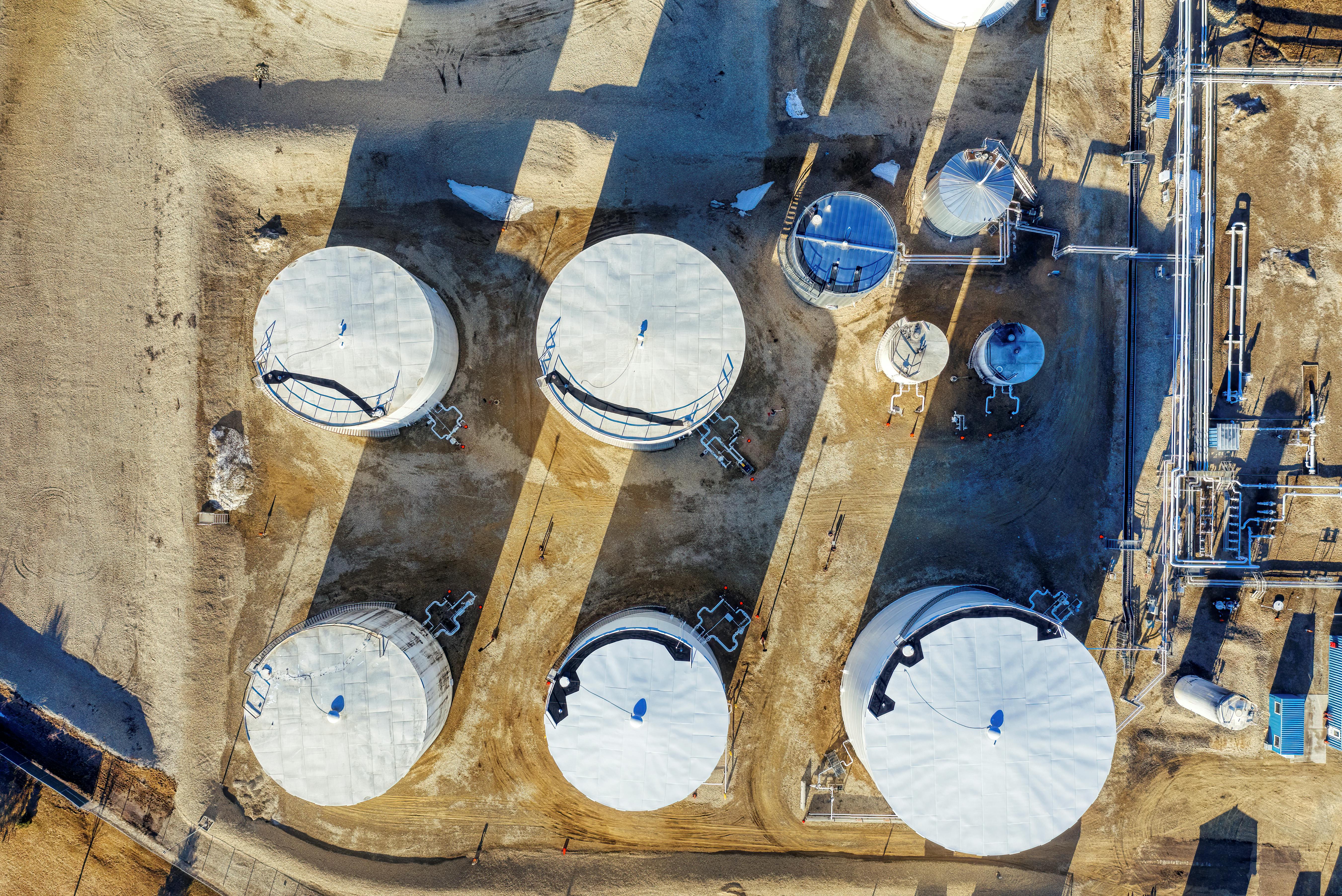
Industrial equipment and machinery

Infrastructure Audit

Evaluation of your existing fuel storage, dispensing, and charging infrastructure with upgrade recommendations and compliance review.

$2,890 AUD per audit
Select Service

Why Independent Analysis Matters

Fuel suppliers naturally promote their own products. Equipment manufacturers have preferences that may not align with your operational realities. Government incentives shift with policy changes. Navigating these competing interests requires objective expertise focused solely on your organisation's needs.

Our consultants have no commercial relationships with fuel suppliers or equipment vendors. This independence allows us to provide recommendations based entirely on what will work best for your specific circumstances, budget constraints, and strategic goals.

✓

Data-Driven Recommendations

Analysis based on your actual usage patterns, not generic industry averages

✓

Local Market Knowledge

Understanding of Australian fuel markets, regulations, and supply dynamics

✓

Complete Independence

No affiliations with suppliers means unbiased advice

✓

Practical Implementation

Actionable plans, not just theoretical recommendations

The infrastructure audit identified safety compliance issues we hadn't noticed and provided a clear upgrade pathway that actually saved us money compared to our original expansion plans.

Sarah Thornton Facilities Manager, Perth Industrial Group

Request a Consultation

Complete the form below and our team will respond within two business days

Important Notice

The information provided on this website is intended for general informational purposes only. Fuel prices, availability, and regulations vary by location and change over time. Specific recommendations require detailed analysis of individual circumstances. Results from implementing any fuel strategy will vary depending on numerous factors including usage patterns, equipment condition, and market conditions. This content does not constitute professional engineering or financial advice. Always consult qualified professionals before making significant changes to fuel systems or procurement strategies.

Scientific References

  1. [1] Alternative Fuel Vehicle Maintenance Requirements Study - pubmed.ncbi.nlm.nih.gov/33456789
  2. [2] Comparative Analysis of Diesel and Petrol Efficiency in Commercial Applications - pubmed.ncbi.nlm.nih.gov/31234567
  3. [3] Emissions Profiles of Natural Gas versus Diesel in Heavy Transport - pubmed.ncbi.nlm.nih.gov/29876543
  4. [4] Total Cost of Ownership Comparison: Electric vs Internal Combustion Fleet Vehicles - pubmed.ncbi.nlm.nih.gov/34567890
  5. [5] Hydrogen Fuel Cell Development in Heavy Transport Applications - pubmed.ncbi.nlm.nih.gov/35678901
Get Started